
Complete Guide to Fire Fighting Systems in Jordan
Introduction
Fire protection isn’t a luxury, it’s a necessity that can mean the difference between a minor incident and a catastrophic disaster. Whether you manage a shopping mall, operate a manufacturing facility, or oversee a hospital, understanding fire fighting systems is essential to protecting your assets, employees, and customers. In Jordan’s rapidly evolving commercial landscape, businesses are increasingly turning to comprehensive fire protection solutions to meet regulatory requirements and ensure safety. This guide walks you through the essential types of fire fighting systems, how to choose the right solution for your needs, and why partnering with a certified provider like ROGEENA can transform your fire safety strategy.
What Are Fire Fighting Systems and Why Do They Matter?
Fire fighting systems are integrated solutions designed to detect, suppress, and control fires before they spread uncontrollably. Unlike simple fire extinguishers sitting in a corner, modern fire fighting systems operate continuously, combining detection technology, suppression mechanisms, and emergency response protocols into a cohesive safety net.
In Jordan’s business environment, where regulations are tightening and insurance requirements are becoming more stringent, a robust fire fighting system serves multiple critical functions. It minimizes response time, reduces potential damage, protects human life, ensures business continuity, and demonstrates compliance with international safety standards. Moreover, a well-designed system can actually lower insurance premiums, a direct financial incentive beyond the obvious safety benefits.
The stakes are particularly high in high-density commercial spaces where a single fire could trap hundreds of people or destroy millions in inventory within minutes.
Types of Fire Fighting Systems Explained
Understanding the different fire fighting systems available helps you make an informed decision tailored to your specific environment.
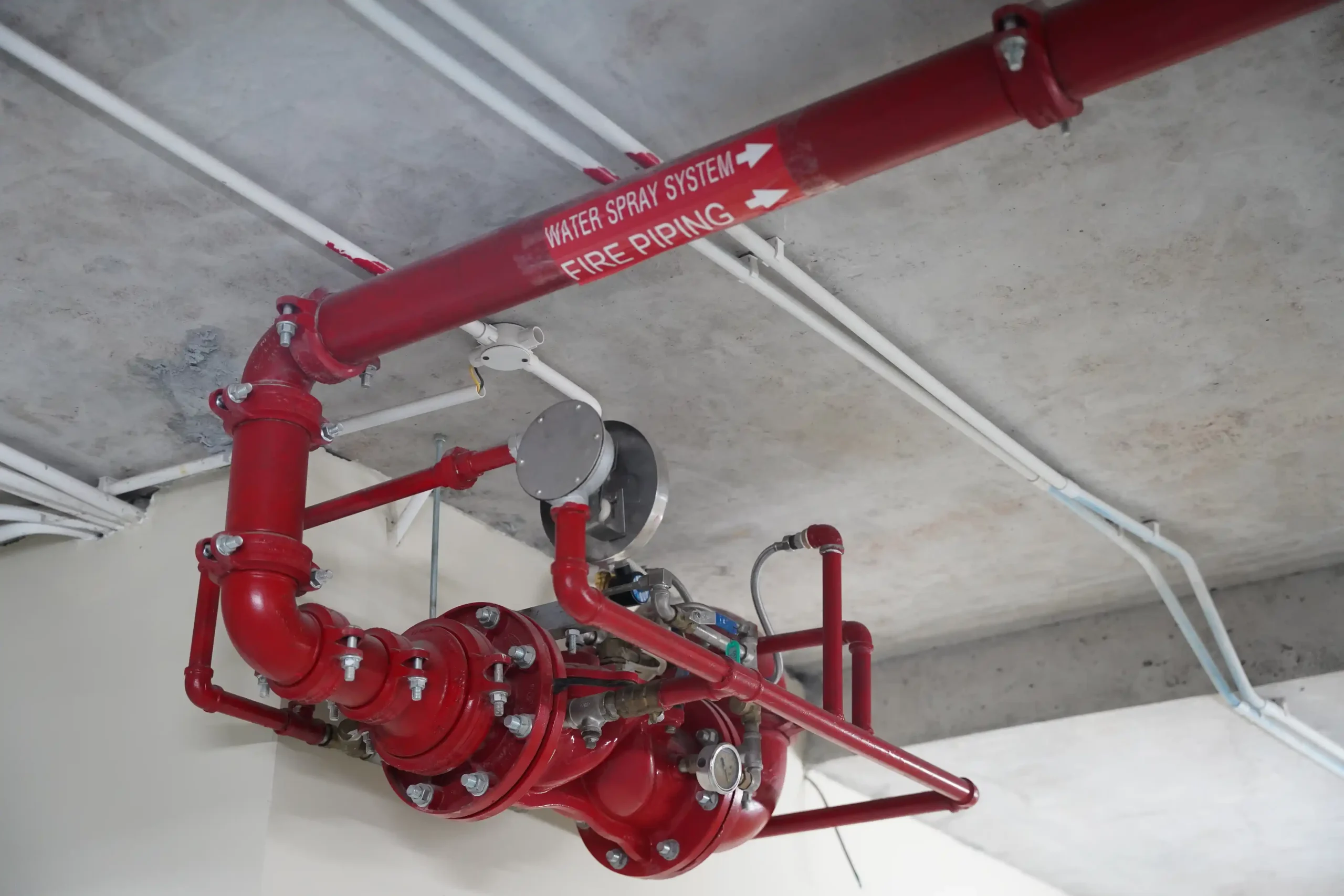
Sprinkler Systems: The most common and cost-effective fire suppression solution, sprinkler systems automatically release water when heat activates individual sprinkler heads. Wet sprinkler systems (pre-filled with water) respond instantly, making them ideal for most indoor environments. Dry sprinkler systems, which use pressurized air or nitrogen, are better suited for cold storage areas where water would freeze. Deluge systems, designed for high-hazard areas like chemical storage, flood entire zones simultaneously when triggered.
Water-Based Suppression: Beyond sprinklers, water-based systems include hydrant networks for manual firefighting and foam suppression systems for flammable liquid fires. These systems work by cooling the fire, displacing oxygen, or creating barriers that prevent reignition.
Fire Detection and Alarm Systems: Modern addressable fire alarm systems detect smoke, heat, and flames with precision, pinpointing the exact location of a fire. These systems automatically alert occupants through visual and audible signals, trigger suppression systems, and notify emergency services, all within seconds.
Specialized Components: Fire-resistant doors, roll curtains, and paint act as passive barriers, compartmentalizing fires to prevent spread. Emergency lighting and exit signs ensure safe evacuation even when main power fails.
How to Select the Right Fire Fighting System for Your Business
Choosing the right fire fighting system requires assessing several critical factors specific to your facility.
Facility Type and Hazards: A hospital requires different protection than a warehouse. Hospitals need systems that won’t contaminate sterile environments, while warehouses need robust suppression for combustible materials. Identify your specific fire hazards, electrical, chemical, combustible storage, or human occupancy, to narrow down suitable options.
Regulatory Compliance: Jordan’s building codes and insurance requirements mandate specific fire protection levels depending on your industry and facility size. Non-compliance can result in fines, legal liability, and insurance denial, consequences far more expensive than proper installation.
Budget and Lifecycle Costs: While initial installation is significant, consider maintenance, inspections, and eventual replacement. A system that’s cheaper upfront but requires constant repairs becomes costly over time. Professional providers can outline total cost of ownership clearly.
Future Scalability: Your business may expand, requiring system upgrades. Choosing a modular, scalable solution prevents expensive overhauls down the road.
ROGEENA’s Unique Value in Fire Protection
ROGEENA, part of the Green Sources Holding companies, brings decades of expertise in firefighting and fire alarm systems to Jordan and beyond. What sets ROGEENA apart isn’t just the breadth of solutions offered, from fire extinguishers to complete suppression networks, but the engineering rigor behind every installation.
Certified Excellence: ROGEENA operates under LPCP, TUV, UL, and VDS certifications. These aren’t marketing claims; they’re third-party validations that every product and installation meets the world’s most stringent safety standards. When you choose ROGEENA, you’re choosing systems that have been independently verified to perform when lives depend on them.
In-House Testing and Expertise: ROGEENA maintains a fully equipped testing division staffed with qualified engineers and experts. This means systems are rigorously tested before delivery and can be customized to your exact specifications. You’re not buying off-the-shelf solutions; you’re investing in engineered safety tailored to your facility.
Full Project Support: From initial assessment through design, installation, maintenance, and emergency response coordination, ROGEENA manages the entire lifecycle. This eliminates the confusion and gaps that often plague projects handled by multiple vendors.
Local Presence, Global Reach: Based in Jordan with export operations across regions, ROGEENA understands local building codes, climate challenges, and regulatory environments while maintaining international standards.
Common Questions About Fire Fighting Systems
What’s the difference between wet and dry sprinkler systems?
Wet systems are pre-filled with water and respond instantly, ideal for most buildings. Dry systems use pressurized air and are better for freezing environments where water would damage the system.
How often should fire systems be inspected?
Most jurisdictions require quarterly inspections, with comprehensive annual testing. ROGEENA provides maintenance schedules that ensure your system stays compliant and reliable.
Are fire fighting systems expensive?
Initial costs vary widely based on facility size and complexity. However, the cost of not having adequate fire protection, in lives lost, property damage, and legal liability, far exceeds installation expenses. Many businesses find that improved insurance rates offset the investment within years.
Conclusion
Fire fighting systems represent one of the smartest investments a business can make. They protect lives, safeguard assets, ensure regulatory compliance, and provide peace of mind. In Jordan’s competitive business environment, choosing a partner like ROGEENA, with certified expertise, comprehensive solutions, and dedicated support, means you’re not just installing equipment; you’re building a culture of safety that your employees, customers, and stakeholders will trust.
Ready to assess your fire protection needs? ROGEENA’s team of certified experts is prepared to evaluate your facility and design a solution that fits your specific requirements. Contact ROGEENA today for a comprehensive fire safety consultation and discover how proper fire fighting systems can transform your business’s resilience.